A Vehicle Identification Number (VIN) is typically a 17-digit alphanumeric code that functions as the vehicle’s unique identifier—often described as the car’s fingerprint. It mixes capital letters and numbers, and each segment encodes different information: manufacturer, features, and specifications. That identifier supports tracing safety recalls, accidents, registrations, warranty claims, thefts, insurance activity, and more.
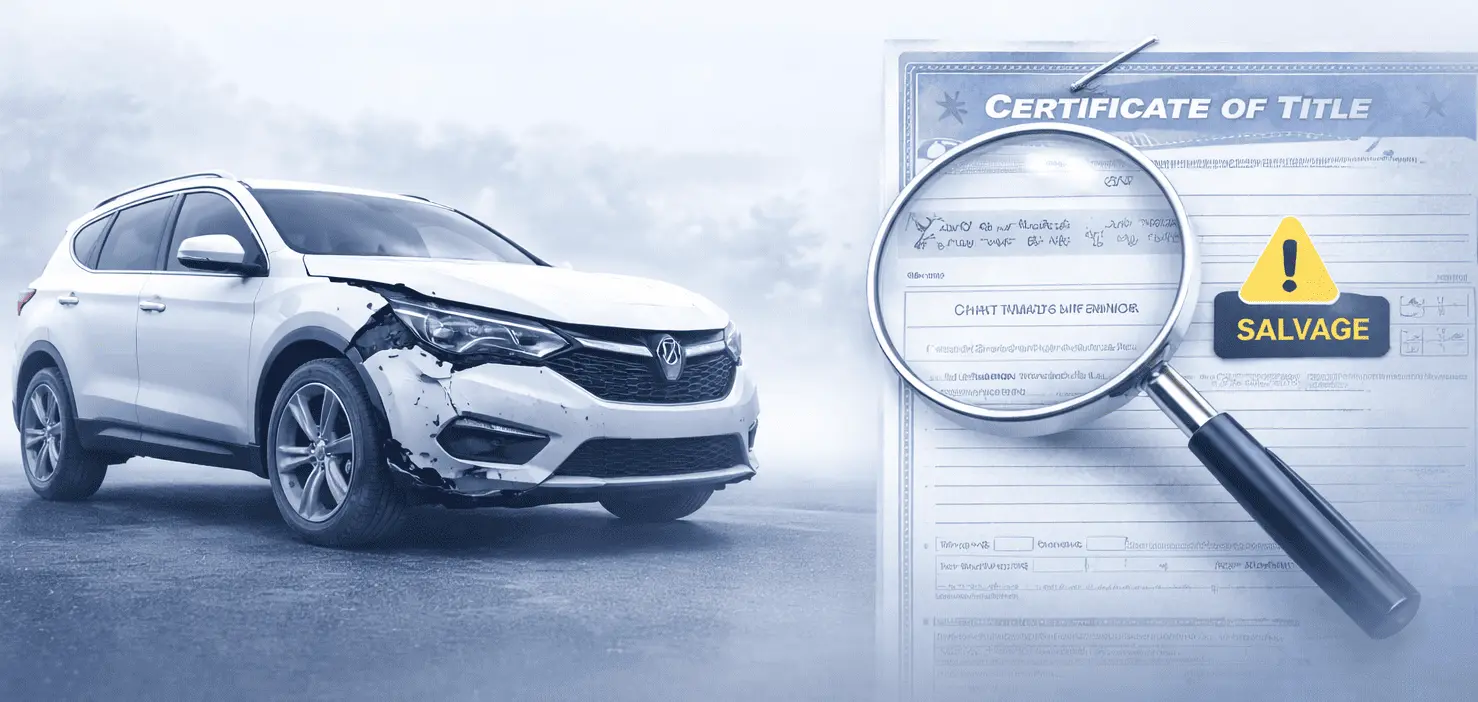
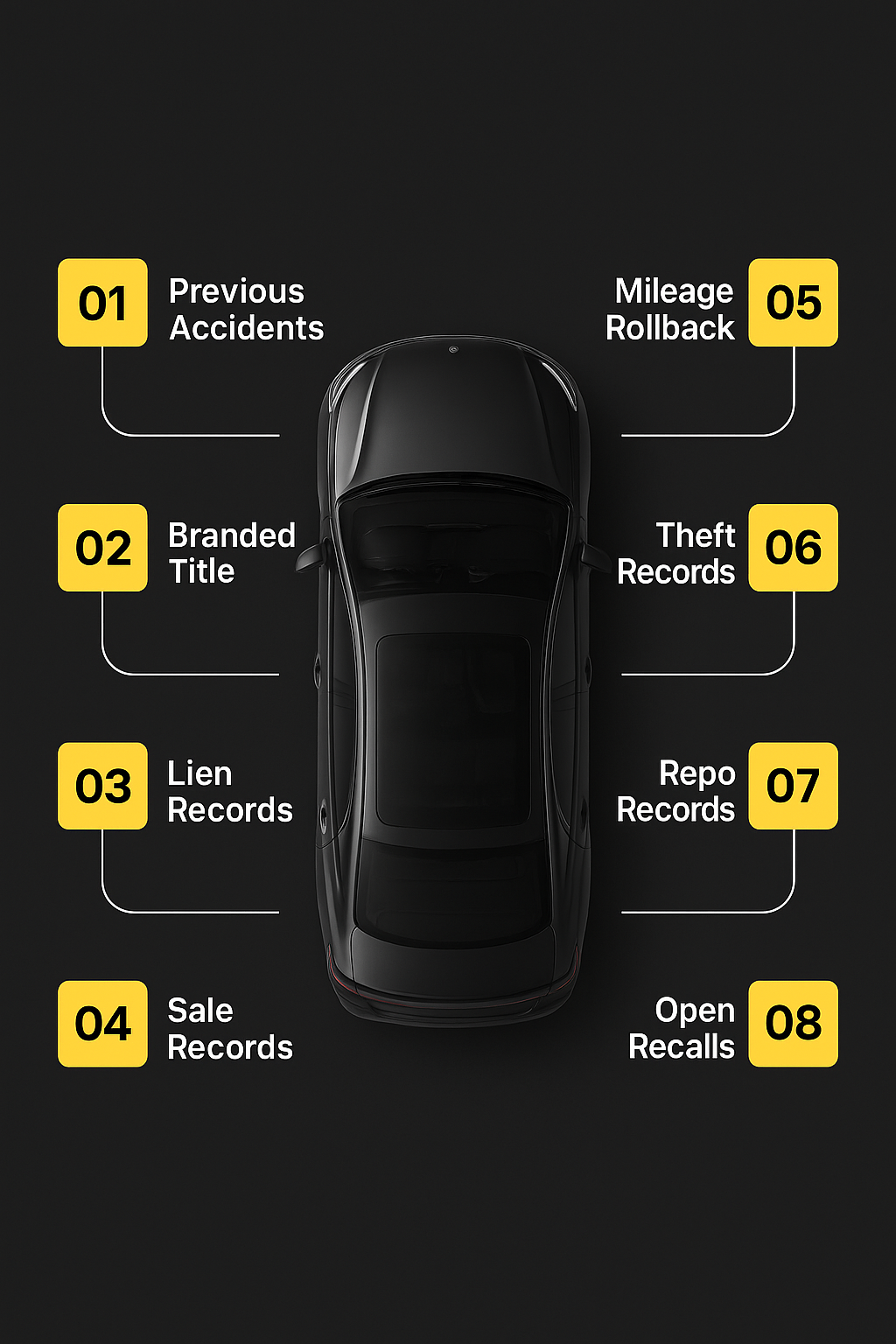
Every vehicle is tied to exactly one VIN. From it you can branch into technical specifications, optional equipment, trim level, security-related equipment, and open or past safety recalls. Vehicle reports may also reflect where the car was registered over time, sales history and comparable pricing, current market value, and residual value when available. Depending on the sources, you may see accidents, undisclosed or hidden damage, and title brands such as odometer tampering, salvage, junk, water damage, lemon, fire damage, or hail-damaged designations.
VIN TRUST helps you interpret that story: estimated worth, odometer readings, title history, and broader title context, alongside signals for market demand and supply so you can plan where to buy or sell. We always recommend decoding and checking the VIN before you buy a used vehicle.